
"Green Tip"
800 article(s) found

Introduction to the quality characteristics of Burundian Brocasta coffee bean flavor description treatment
Coffee tree evergreen leaves, the leaf tip is more pointed, and is two opposite groups. The surface of the leaf is dark green, the back is light green, and the blooming flower is pure white. There are five stamens and one pistil in the flower, and the petals are usually five, but some have six or even eight petals. The flowers will give off a jasmine-like fragrance, but the flowers will wither in about three or four days. The fruit has just begun with the leaves.

Columbia Coffee Coca Cauca producing area with unique sour and mellow taste
The earliest record of coffee cultivation in Colombia appears in a book called The Illustrated Orinoca by Spanish missionary Jose Gumilla. He describes what he saw when he preached on both sides of the Meta River in 1730, in which he mentioned the local coffee plantation. By 1787, other missionaries had spread coffee to other parts of Colombia.

Colombia Emerald Roast Deep Coffee Flavor Description Treatment Taste Grind Scale Introduction
Colombia Emerald Roast Deep Coffee Flavor Description Processing Method Taste Grinding Scale Introduction Colombia is rich in products, especially coffee, flowers, gold and emeralds known as the four treasures. Coffee was first introduced to Colombia in 1808 by a priest from the French Antilles via Venezuela. Today the country is the second largest coffee producer after Brazil and the largest Arabica in the world.

Water content and Chemical changes during Coffee roasting
The water content and chemical changes in the baking process of caffeine, whether new or old beans, have its unique baking curve, so it is necessary to accurately judge the bean and the time of emergence, and master the best flavor. In the process of recording the baking curve, carefully blindly test each batch of baked beans, record them, and accurately grasp the key elements, you can easily get the taste of coffee beans! Remember
Grinding Calibration of Colombian Coffee beans introduction of Variety producing areas by Manor treatment
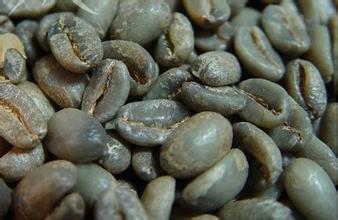
The main varieties of Colombian coffee are small grains of coffee. Plants are small trees or large shrubs, 5-8 m tall, usually much branched at base; old branches gray-white, nodes dilated, young branches glabrous, compressed. Leaves thinly leathery, ovate-lanceolate or lanceolate, 6-14 cm long and 3.5-5 cm wide, tip long acuminate, acuminate part 10-15 mm long, base cuneate or slightly obtuse, rarely rounded, entire or

Water content in the roasting process of coffee-Starbucks Italian roasted coffee beans
Water content in the process of coffee roasting Starbucks Italian roasted coffee beans, whether new or old beans, have its unique baking curve, we must accurately judge the bean and bean time, and master the best flavor. In the process of recording the baking curve, carefully and blindly test each batch of baked beans, record them, and accurately grasp the key elements, you can easily get the mouths that coffee beans should have.

Introduction of Coffee Manor producing area in Colombia
The world's second largest coffee producer after Brazil. Is the leader in the country that produces Colombian mild. The name of origin has become a well-known name for coffee, such as Medning, Manizarez, Bogota, Almenia and so on. Coffee beans are light green and large-grained, according to their unique thick flavor, whether they are pure coffee or mixed.

Colombian Coffee characteristics Classification Fine Coffee Origin
The history of coffee cultivation in Colombia can be traced back to the Spanish colonial era in the 16th century, and there are many theories about the history of coffee in Colombia: one: it is said to come from the island of Haiti in the Caribbean and from El Salvador in Central America. Second: in 1808, a priest introduced coffee beans to Colombia for the first time from the French Antilles via Venezuela. One of them

Starbucks Coffee Roasting Process Water Production Area Manor Treatment Introduction
Starbucks coffee roasting process in the water production area manor treatment method introduced Tip 1: to achieve the highest caramelization-caramelization is an important factor affecting coffee flavor, because the green beans will absorb a lot of heat when roasting, then the first cracking sound (1st cracking), at this time, sugar begins to convert into carbon dioxide, water continues to evaporate, coffee aroma will gradually emit

Mantenin's unique "heavy flavor" have you extracted it? can you lose weight by drinking manning?
Professional coffee knowledge exchange more coffee bean information Please pay attention to the coffee workshop (Wechat official account cafe_style) Manning coffee bean's strength is not in the aroma, the special feature is its thick taste, so it is usually used a deeper roasting treatment to show its thickness and mellow. In addition, the eco-green Mantenin does not emphasize the wild strong deep roasting taste, breaking the general focus on Mantenin coke.

Colombia coffee history trace species morphology
The history of coffee cultivation in Colombia can be traced back to the Spanish colonial era in the 16th century. There are also many sayings about the history of coffee in Colombia: First, it is said that it came from the Caribbean island of Haiti via Salvador in Central America. Second, coffee beans were first introduced into Colombia in 1808 by a priest from the French Antilles via Venezuela. one of

Introduction to Hope Manor, the main variety of Colombian coffee
One: it is said to come from the sea island of the Caribbean and from El Salvador in Central America. Second: in 1808, a priest introduced coffee beans to Colombia for the first time from the French Antilles via Venezuela. One of them is that Colombia's first coffee seeds were imported from Venezuela through the province of Santander. [1] third: the earliest coffee cultivation in Colombia

Features of Colombia Coffee Boutique Colombia Coffee Culture Colombia Coffee Bean Story
Colombia Coffee Click to Claim Open Category: Product Coffee National Cultural Beverage Colombia Coffee is produced in Colombia and is one of the few single-product coffees sold in the world under the name. In terms of quality, it has earned accolades that no other coffee can match. Colombia is more concerned with product development and production promotion than other producing countries.

Colombian coffee storage method unique flavor
The history of coffee cultivation in Colombia can be traced back to the Spanish colonial era in the 16th century, and there are many theories about the history of coffee in Colombia: one: it is said to come from the island of Haiti in the Caribbean and from El Salvador in Central America. Second: in 1808, a priest introduced coffee beans to Colombia for the first time from the French Antilles via Venezuela. One of them

Colombian coffee growing environment Colombian coffee variety grade
Colombian coffee grades are divided into several Colombian coffee-growing histories, dating back to the Spanish colonial era in the 16th century, and there are many theories about the history of coffee in Colombia: one: it is said to come from the island of the Caribbean and from El Salvador in Central America. Second: in 1808, a priest transferred coffee beans from the French Antilles to Venezuela.

Botanical classification of coffee beans Cankun Italian coffee machine
The botanical classification of coffee beans Coffee Tree Atlas Coffee Tree Coffee Tree Coffee is defined as the most unique alkaloid drinking flora. Usually after sowing for two to three years, coffee trees can grow to five in height.

Quality of Colombian coffee grade producing area
The history of coffee cultivation in Colombia can be traced back to the Spanish colonial era in the 16th century, and there are many theories about the history of coffee in Colombia: one: it is said to come from the island of Haiti in the Caribbean and from El Salvador in Central America. Second: in 1808, a priest introduced coffee beans to Colombia for the first time from the French Antilles via Venezuela. One of them
What series of Colombian coffee do you have? how does Colombian coffee taste?
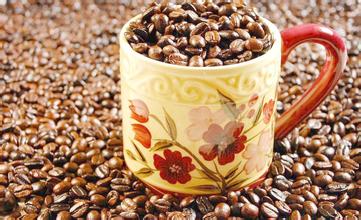
The main varieties of Colombian coffee are small grains of coffee. Plants are small trees or large shrubs, 5-8 m tall, usually much branched at base; old branches gray-white, nodes dilated, young branches glabrous, compressed. Leaves thinly leathery, ovate-lanceolate or lanceolate, 6-14 cm long and 3.5-5 cm wide, tip long acuminate, acuminate part 10-15 mm long, base cuneate or slightly obtuse, rarely rounded, entire or

Rich flavor of Colombian coffee the characteristics of Santa Rita Manor are introduced.
One: it is said to come from the sea island of the Caribbean and from El Salvador in Central America. Second: in 1808, a priest introduced coffee beans to Colombia for the first time from the French Antilles via Venezuela. One of them is that Colombia's first coffee seeds were imported from Venezuela through the province of Santander. [1] third: the earliest coffee cultivation in Colombia

Joyful fragrant Colombian Hope Manor Coffee Flavor description Fine Coffee introduction to the characteristics of the producing area
The main varieties of Colombian coffee are small grains of coffee. Plants are small trees or large shrubs, 5-8 m tall, usually much branched at base; old branches gray-white, nodes dilated, young branches glabrous, compressed. Leaves thinly leathery, ovate-lanceolate or lanceolate, 6-14 cm long and 3.5-5 cm wide, tip long acuminate, acuminate part 10-15 mm long, base cuneate or slightly obtuse, rarely rounded, entire or